Hello! Thank you so much for visiting and I hope you stay!
No, I did not ever expect to start a blog until last week.
So, why did I start this?
I have a passion for helping others through nutrition and fitness and I have found it can be a very confusing learning process for those unaccustomed to a healthy lifestyle.
My goal is to be personable, understandable, and helpful.
I realized my current clients have really good questions so I wanted to have really good answers! This blog is meant to be informational and useful for your own personal endeavors in finding optimal health.
About me:
I became a certified personal trainer through NASM in August, 2019. Since then, I have grown my knowledge tremendously! I have been training people ever since a week after I became certified. This is just the beginning of this career and I have loved being able to have such a great impact on people and truly help change their lives. Seeing clients lose unhealthy weight, gain strength they never thought was possible, and lose pain that seemed unending is a powerful and lasting experience. It inspires me to try and reach more people to help others attain their goals.
I am currently a student-athlete in my third year of studying kinesiology at a university. In the fall I am transferring to a two year dietetic program/internship that will allow me to sit for the CDR exam to become a registered dietitian (eventually sports dietitian). I believe in the importance of education and experience which is why I am constantly trying to improve my skills and expand my knowledge in health. I will spend countless hours studying and researching information that I test run in my life to see at least one possible outcome of application. Whether this be a nutritional change, a type of exercise, or mindset shift, I apply and assess.
Exercises: home, vacation, full gym, modifications, progressive/digressive steps for movements, etc.
Nutrition: meals (I emphasize time efficient and cost friendly), carbohydrates, proteins, fat, calories, the nitty gritty of it all (my favorite)
I cannot wait to dive into this and really start growing my knowledge so that I can further help those around me. One thing I have started asking of my clients is to fill out a survey after we have been training for awhile. This is for my own personal use to assess areas I am excelling and areas I can use work! I have found many would appreciate demonstration videos for when I am not there when they are working out so expect a youtube link soon so that I can share these videos here as well.
Please, don’t hesitate to reach out with any questions. I am so excited to start helping people through this medium.
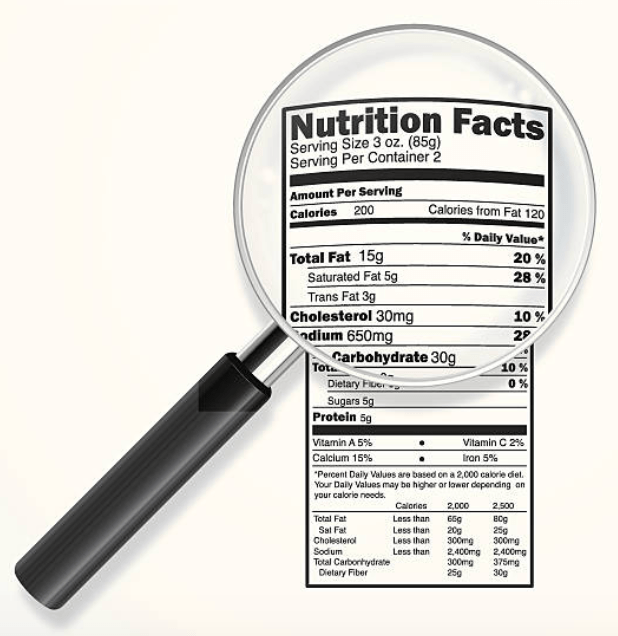
There are 4 calories per 1 gram of carbohydrates, 4 calories per 1 gram of protein, and 9 calories per 1 gram of fat. If you had one gram of each of these in one product it should add up to 17 calories. I have found that this is not always the case so I decided to search for why this happens.
How Manufacturers Calculate Calories
4:4:9 – This method multiplies each gram of protein and carbohydrate by 4 and each gram of fat by 9. The sum of these three macronutrients equals the total calories.
4:4:9 minus insoluble fiber – This method does the same as the 4:4:9 method but allows insoluble fiber to be subtracted from carbohydrates.
Atwater conversion factor – This method measures protein, carbohydrates, fat and alcohol as 4:4:9:7 but it accounts for losses in digestion, absorption, and urinary excretion of urea.
Rounding errors – When a product has less than 5 calories per serving it is rounded down to zero. If there are 50 or fewer calories per serving the FDA allows rounding the the nearest 5 increment. If the product has more than 50 calories per serving then it can be rounded to the nearest 10 increment.
Alcohol has 7 calories to the gram but the alcohol grams are not required to be put on nutrition labels. The calories will include these but the macronutrients will not appear to add up if only considering what is written on the label.
Bomb calorimetry data – This method subtracts 1.25 gram of protein to correct for incomplete digestibility.
Conclusion
The FDA has certain regulations that allow for several ways to come up with that top caloric number you see on every food package you have. If you are only reading it to align with the first method I mentioned, like I used to, then the numbers are not always going to add up. This post is meant to educate and hopefully clear up misunderstandings on why the nutrition labels seem wrong at times.
It’s always a good idea to understand what you are fueling your body with and understanding nutrition labels is a great place to start!
Food Labeling: Revision of the Nutrition and Supplement Facts Labels: Guidance for Industry. (2020, January). Retrieved from https://www.fda.gov/media/134505/download
The gut microbiome is one of the most important factors to consider when talking about longevity and quality of life. Disruptions in the microbiome are associated with many diseases and disorders such as IBD, multiple sclerosis, diabetes, allergies, asthma, autism, and cancer. So naturally, it is important to find out how to maintain a healthy and balanced microbiome.
What does Microbiome even Mean?
The term, microbiome, describes the genome of all the microorganisms within your body or a part of your body. The gut microbiome consists of bacteria, archaea, viruses, and fungi. Cute.
Infant delivery and feeding, aging process, stress, hygiene, diet, geographical locations, medications and host genotype influence the microbiome. Two healthy people can have very different microbiomes. Gastrointestinal homeostasis is the goal.
There is limited research on this subject for several reasons. As technology advances so will research. The vast variations in one healthy microbiome to another is complicating the ability to find conclusions. Experts are working to manipulate the gut microbiome with dietary interventions.
Dietary Recommendations for Gut Health
Antibiotics serve a purpose but they are harmful to your gut microbiome, because they diminish good and commensal bacteria while opening the door for pathogenic bacteria. Probiotics and prebiotics have been researched and are proving to be a hopeful therapeutic tool to replenish the unbalanced gut post antibiotics. Bifidobacterium and Lactobacillus are two strands you should consider looking for in a probiotic.
A diet rich in animal protein is associated with a significantly increased risk of IBD and increased levels of TMAO which, in many cases, leads to cardiovascular disease. Whereas plant protein increases bifidofacterium, lactobacillus, and SCFA’s while decreasing inflammation. Whey protein has also shown these great benefits.
It is best to stick to mono and polyunsaturated fats while avoiding saturated and trans fat to decrease the risk of chronic disease.
Carbohydrates containing glucose, fructose, sucrose, and lactose showed beneficial bacterial shifts. There is evidence that suggests artificial sweeteners are unhealthier to consume than natural sugars even if they are posing as healthy and no-calorie food choices. Fiber and resistant starch, like whole grains and soybeans, have shown to be very beneficial to gut health.
Polyphenols which include fruits, seeds, vegetables, tea, cocoa products and wine are proving as beneficial as well.
Eat for Health
Your gut health impacts every part of your body including your mental health. Nourishing your gut microbiome will pay off in countless ways now and long term.
References
Bäckhed, F., Fraser, C. M., Ringel, Y., Sanders, M. E., Sartor, R. B., Sherman, P. M., … & Finlay, B. B. (2012). Defining a healthy human gut microbiome: current concepts, future directions, and clinical applications. Cell host & microbe, 12(5), 611-622.
Lloyd-Price, J., Abu-Ali, G., & Huttenhower, C. (2016). The healthy human microbiome. Genome medicine, 8(1), 1-11.
Singh, R. K., Chang, H. W., Yan, D., Lee, K. M., Ucmak, D., Wong, K., … & Bhutani, T. (2017). Influence of diet on the gut microbiome and implications for human health. Journal of translational medicine, 15(1), 73.
Taneja, V. (2017). Microbiome: impact of gender on function & characteristics of gut microbiome. In Principles of Gender-Specific Medicine (pp. 569-583). Academic Press.
Voreades, N., Kozil, A., & Weir, T. L. (2014). Diet and the development of the human intestinal microbiome. Frontiers in microbiology, 5, 494.
Young, V. B. (2012). The intestinal microbiota in health and disease. Current opinion in gastroenterology, 28(1), 63.
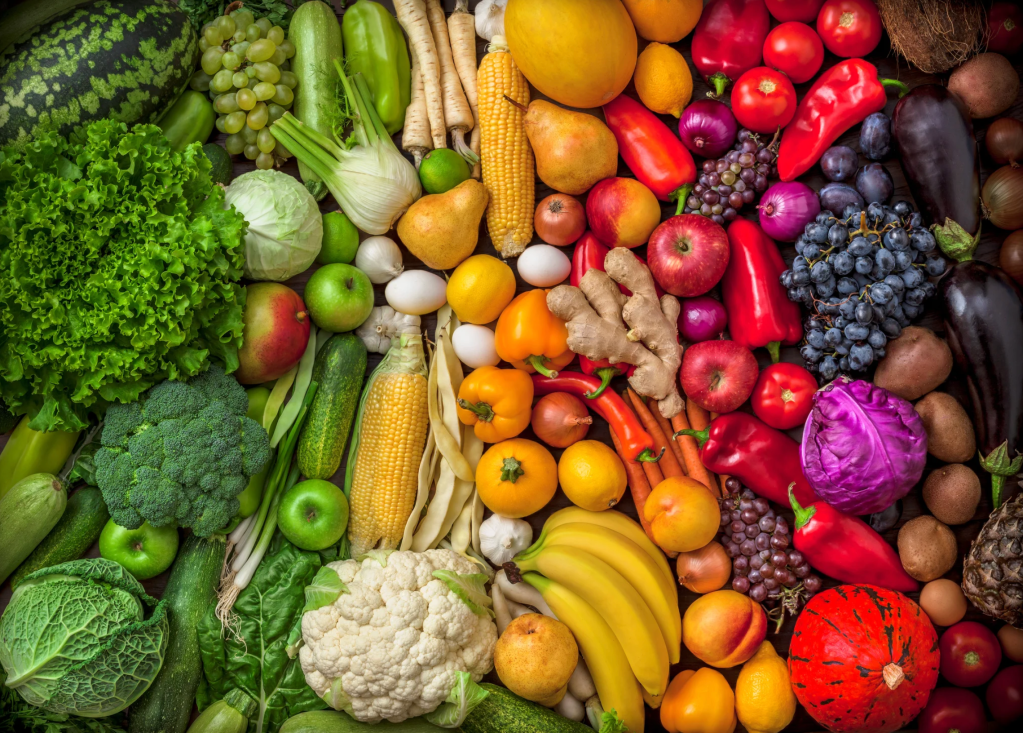
First, please understand that weight loss is never going to be a quick fix. In order to sustain and manage your goal weight the process will be a lifestyle change followed by gradual and steady weight loss. This weight will stay off since you have created a new lifestyle full of great habits. Side note, it is never a bad idea to consume more vegetables and every one of these diets backs this claim.
I have broken down some popular diets that people are attracted to for reaching their weight loss goals. Enjoy the read!!
Mediterranean Diet
The Mediterranean Diet originates from the Mediterranean region. It was brought to the attention of health professionals because certain positive health patterns were happening with the longevity in that region compared to most other places in the world. It is one of the five blue zones in the world, which simply means longevity is thriving there. This diet is more of a lifestyle change than a specific list of rules to follow. This diet has shown evidence to be sustainable, satisfying, and beneficial. Substantial scientific evidence has shown a significant reduction (9% overall) in the risk of mortality from any cause. Including, but not limited to, cardiovascular disease, neoplasm, parkinson’s disease, alzheimer’s disease, and cancer. So yeah, I would say this one is worth looking into if you want to live longer, better!
How to Consume a Mediterranean Style Diet
High consumption vegetables, fruits, olive oil, legumes, cereals (bread)
Moderate consumption of red wine, fish, milk/dairy
Low consumption of meat
Keto/Very Low Carb/Atkins
The Ketogenic diet was originally created to treat epilepsy, and while the Atkins diet shares very similar guidelines, it was specifically created for weight loss. Regarding the weight loss purpose, low carb diets have been proven to be more effective than low fat diets over a 24 week study. There is not much data on long term efficacy or negative symptoms from adhering to this diet. One study found greater weight loss in a 24 month low carb (<50g carb/day) diet compared to a low fat diet (<30% cal from fat/day). Several studies explain that there are considerable discrepancies in their findings and that there are still unknown adverse effects to long term adherence to a very low carbohydrate ketogenic diet. There are many unknowns about the physiological processes involved in the effectiveness of this diet. Ketogenic diets induce physiological ketosis. This brings the need for the process, gluconeogenesis, which requires high energy expenditure. There is a reduction in appetite due to satiety of proteins, altered appetite control hormones & possible appetite suppressant action of ketone bodies. Short periods have been shown to possibly help control hunger and improve fat oxidative metabolism which results in weight loss. This diet could pose as a lifestyle change for a diabetic but as a several month reboot for others.
Intermittent Fasting
This diet prevents overeating throughout the day by eating in smaller periods of time which encourages a calorie deficit. The time gone without eating can range from 16-48 hours. Intermittent fasting is becoming more popularized due to its growing evidence that it may prevent metabolic syndrome, diabetes, and cardiovascular disease. There are new studies supporting further trials to find more benefits of this diet in patients with cancer or multiple sclerosis. There is evidence that intermittent fasting is effective in weight loss and improvements in insulin resistance.
Whole 30
This is a “reset” diet. It was difficult to find scientific based evidence on effects following this diet but it has been found to be beneficial in finding food sensitivities. It requires no calorie tracking which is a huge plus. The main rule is that you must only eat the designated whole foods for 30 days straight without wavering at all. This diet seems like it would bring ownership over your food intake and more control of your nutritional choices by learning to say no.
Excludes: added real or artificial sugar, alcohol, tobacco, grains, legumes, dairy, carrageenan, MSG, sulfites, baked goods, “junk food”, use of scale to track bodyweight
Vegan
This diet excludes all animal products. A vegans microbiome of the gut has advantages over other lifestyle choices but appears similar to a vegetarian microbiome. There are reduced levels of inflammation and more protective health effects than other eating habits. It is still unsure for long-term health benefits but it is definitely something to take into consideration when treating the gut microbiome, obesity, inflammation, and disease. Short term results appear promising for health benefits.
Paleo
This diet originated from studying how our ancestors ate during the Paleolithic Era, eating only what you would find when hunting and gathering. There are positives and negatives to this diet and I will present them as unbiasedly as possible. The diet originates off of the controversial evolutionary discordance hypothesis which may partially discredit it. One must be weary of their calcium intake when on this diet to prevent osteoporosis. It is also proven to be more expensive than most other diets which may create a population barrier of who can use this diet. The long term research proves to be shallow but there is short term scientific evidence regarding positive effects of this diet/lifestyle. When tested in comparison to a Mediterranean-like diet, weight loss was equal but the Paleo group found a greater decrease in waist circumference and improved glucose sensitivity. The Paleo diet has been found to have increased satiety, improvements in body weight, waist circumference, blood pressure, and lipid profiles. The early claims are intriguing but hopefully more long term studies arise soon to further develop their credibility.
How to Eat Paleo
This diet includes vegetables, fruits, lean meat, seafood.
This diet excludes grains, dairy, refined sugars, refined oils, and processed foods.
Intuitive Eating
Intuitive eating is based on physiological hunger and satiety cues instead of situational or emotional cues. This lifestyle emphasizes an anti-diet culture. It requires one to recognize and acknowledge the damage of the diet world. It asks you to enlighten yourself on the traits of a diet-mentality and rid yourself of diet tools. All in all, this diet requires you to tune into your body and its actual needs. This mindset will allow you to choose what fuel you need rather than what taste you want, which in turn will generally help your health. This diet has been scientifically proven to boost psychological well-being, self-esteem, life satisfaction, optimism, and proactive coping (body appreciation). This lifestyle encourages people to focus on eating for their bodily needs rather than for appearance purposes. The minimal, but growing, evidence shows that there are positive correlations to improved psychological health, healthy eating behavior and weight maintenance but does not show any correlation to increased physical activity or substantial weight loss.
Guidelines: Eat when you are hungry, eat whatever your body wants, stop when you are satisfied, and eat for physical over emotional reasons.
IIFYM (If It Fits Your Macros)
Eat within your nutritional budget everyday: your individualized calculated protein, carbohydrates, fats, and total calorie numbers. This can put a misleading value on foods based on their macronutrient make up rather than their full nutritional value that weighs on micronutrients and ingredients as well. Calories in and calories out is the basis of this diet which works for losing weight at the beginning. If you are eating a large amount of nutrient poor food and then eat a moderate amount of nutrient poor food, you will see improvements. Eventually you will need to be more conscious of eating nutrient dense foods to acquire further health improvements. If someone is reaching their macronutrient targets with nutrient dense food then this diet will be very effective and sustainable.
& many, many more diets…
I hope this post educated you on some benefits and downfalls of certain lifestyle and diet choices. Diets can become very controlling so it is important to find what is sustainable and fulfilling to your needs! Thank you for reading!
References
Abbasi, J. (2018). Interest in the ketogenic diet grows for weight loss and type 2 diabetes. Jama, 319(3), 215-217.
Avalos, L. C., & Tylka, T. L. (2006). Exploring a model of intuitive eating with college women. Journal of Counseling Psychology, 53(4), 486.
Bueno, N., De Melo, I., De Oliveira, S., & Da Rocha Ataide, T. (2013). Very-low-carbohydrate ketogenic diet v. low-fat diet for long-term weight loss: A meta-analysis of randomised controlled trials. British Journal of Nutrition,110(7), 1178-1187. doi:10.1017/S0007114513000548
Freeman, J. M., Kossoff, E. H., & Hartman, A. L. (2007). The ketogenic diet: one decade later. Pediatrics, 119(3), 535-543.
Glick-Bauer, M., & Yeh, M. C. (2014). The health advantage of a vegan diet: exploring the gut microbiota connection. Nutrients, 6(11), 4822-4838.
Mattson, M. P., Longo, V. D., & Harvie, M. (2017). Impact of intermittent fasting on health and disease processes. Ageing research reviews, 39, 46-58.
Paoli, A. (2014). Ketogenic diet for obesity: friend or foe?. International journal of environmental research and public health, 11(2), 2092-2107.
Pitt, C. E. (2016). Cutting through the Paleo hype: The evidence for the Palaeolithic diet. Australian Family Physician, 45(1/2), 35.
Sofi, F., Cesari, F., Abbate, R., Gensini, G. F., & Casini, A. (2008). Adherence to Mediterranean diet and health status: meta-analysis. Bmj, 337, a1344.
Tribole, E., & Resch, E. (2012). Intuitive eating. Macmillan.
Trichopoulou, A., & Vasilopoulou, E. (2000). Mediterranean diet and longevity. British Journal of Nutrition, 84(S2), S205-S209.
Van Dyke, N., & Drinkwater, E. J. (2014). Review article relationships between intuitive eating and health indicators: literature review. Public health nutrition, 17(8), 1757-1766.
Wrong, W. I. W. IIFYM: The Good, Bad, and the Ugly.
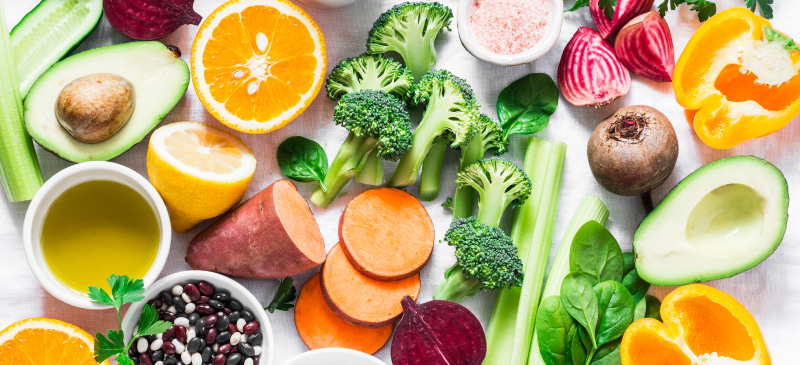
Everyone knows that micronutrients are important but many people don’t know what this term refers to. Micronutrients consist of vitamins and minerals. Like myself, many people grew up thinking these terms were defined as, “pills that people take.” In actuality, all vitamins and minerals should and can be consumed through food without supplementation! The real definitions of these pills are as follows. Vitamins are organic compounds that the body needs and cannot produce itself. Minerals are elements of the earth that the body needs to function properly. I will be focusing on vitamins in this post and minerals in another.
Water-soluble Vitamins
There are two types of vitamins: fat-soluble & water-soluble. Fat-soluble are stored in the liver but water-soluble are eliminated daily so they must be replaced in small amounts daily. Water-soluble vitamins consist of vitamin C and your B vitamins: B1, B2, B3, B6, folic acid, B12, biotin, and pantothenic acid. Overconsumption of any of these vitamins rarely, if ever, leads to any negative side effects with the exception of vitamin C. Be sure to only take 75mg/day for women and 90 mg/day for men.
Why do Vitamins Matter to You?
B Vitamins include B1, B2, B3, B6, B12, folic acid, biotin, and pantothenic acid. These all play a role in energy production, appetite, nervous system functioning, good vision, healthy skin, enzyme function, digestion, metabolism, red blood cell formation, insulin and hemoglobin production, building genetic material, lowering risks for birth defects and coronary artery disease as well as several other functions.
Vitamin C serves a good amount of other purposes. This vitamin is extremely important for collagen synthesis, wound healing, bone and tooth formation, strengthening blood vessel walls, proper immune system functioning, increasing absorption and utilization of iron as well as acting as an antioxidant. This vitamin can specifically be obtained through citrus fruits, like an orange, and some vegetables.
Good Sources for B Vitamins and Vitamin C
Whole grains, peas, legumes, eggs, dark green vegetables, milk, peanuts, fish, citrus fruits, meats, oysters, and liver.
Basically, if the average person has a well rounded diet, he or she should be able to get all of the nutrients they need from food. All vitamins except B12 can be obtained through whole grains, legumes, vegetables, and citrus fruit. B12 can be supplemented to aid vegans and vegetarians.
Fat-soluble Vitamins
Fat-soluble vitamins include A, D, E, and K. Unlike water-soluble vitamins, these are stored in the liver and are excreted much slower, therefore, do not need daily replacement. Necessary supplementation of these vitamins is rare and may do more harm than good if done without medical consultation.
What do these Do?
Vitamin A: aid light adjustment in eyes, bone growth, tooth development, reproduction, cell division, gene expression, the immune system, mucous membranes, antioxidant activity
Vitamin D: aids formation and maintenance of bones, immunity, and cell growth
Vitamin E: acts as an antioxidant, protects vitamin A, vitamin C, red blood cells, and essential fatty acids
Vitamin K: aids blood clotting, bone health, and protein production for blood, bones and kidneys
Good Sources for Vitamins: A, D, E, & K
Vitamin A: orange and dark green vegetables, dairy
Vitamin D: mainly sunlight; food sources: milk and oily fish; vegan sources: mushrooms, fortified tofu or supplement
Vitamin E: vegetable oil, fruits, vegetables, grains, nuts and seeds
Vitamin K: vegetables and vegetable oil
Overwhelmed ???
All in all, necessary vitamins can be consumed through a well balanced diet no matter if one consumes animal products or not. I encourage you to branch out and try new vegetables, specifically to broaden your nutrient dense food choices. One should consult their physician to find any deficiencies that should be supplemented but generally it is not needed. Aim to consume all nutrients through food before adding in supplements. Look into B12 and vitamin D deficiencies if your diet is plant based to see if supplementation applies to you.
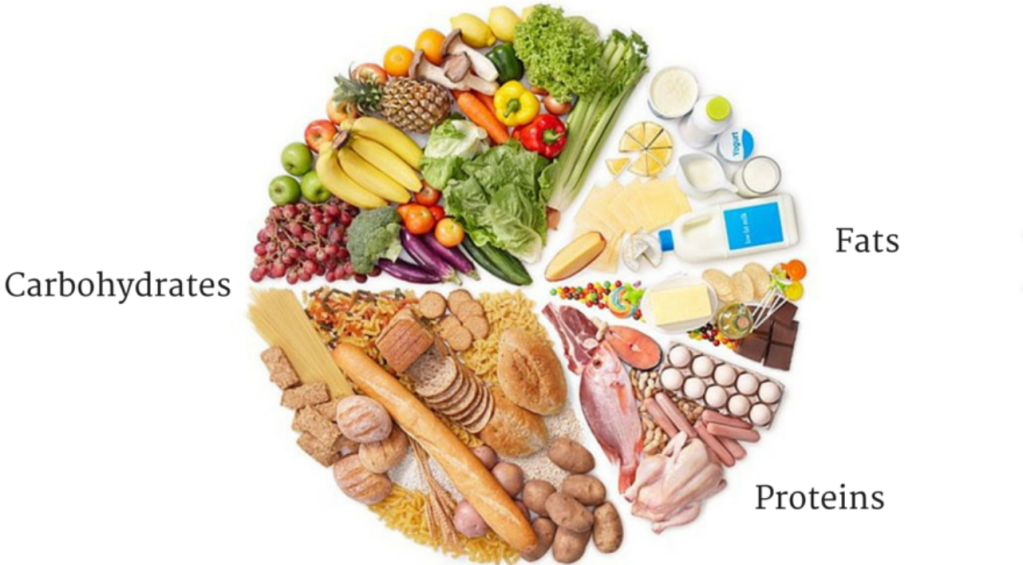
Anything and everything nutrition is my passion so, naturally I go on rants nerding out to pretty much everyone that hangs around me long enough. One time my friend actually got a chance to speak up and asked, “what are macros?” This was shocking to me because I didn’t even recognize that people are not aware of this term. With this being said: here are SOME of the basics that everyone should learn.
Macronutrients (macros)
Carbohydrates
Fats
Protein
Carbohydrates
The main energy source for everything your body does! Eat them!! Carbohydrates are indispensable and have an unnecessary bad reputation. Carbohydrates give your body sugar for energy and fiber for digestive health. When lacking carbohydrate stores, your body will turn to protein for fuel which means less protein for tissue (muscle) repair and enzyme production. Not good!! There are 4 calories for every 1 gram of protein consumed. Carbs are important and should generally make up the largest percentage of calories that you consume at around 50%. For a 2,000 calorie day, one would consume 250g of carbs.
Carbs come in the form of sugar, starch, or fiber. Individuals watching their blood-glucose levels should be mindful of what form is in the carbs they are consuming. Starch and fiber are complex carbs that both aid in digestion. Healthier food choices containing these types would be brown rice, whole grains, potatoes, some fruits, oats, vegetables, and beans.
Fat
For starters, fat doesn’t make you fat. There are 9 cal per 1 gram of fat. This means that calories from fat add up two times faster than calories from protein or carbs do. This only becomes a problem when a person consumes more grams of fat than necessary which will lead to a caloric surplus. Overtime, this caloric surplus adds up and turns into excess stored fat. Fats are used as stored energy, hormone precursors, protection, insulation, satiety, and vitamin carriers. About 30% of daily caloric intake should come from fat. For a 2,000 calorie day, one would consume 67g of fat.
Fats come in the form of monounsaturated, polyunsaturated, saturated, and trans. Unsaturated fat is liquid at room temperature. Unsaturated fat is found in oils, certain fish, nuts, and avocados. Saturated fat is found in meat, oils, dairy, and processed foods such as chips and pastries. One should aim to consume more grams of unsaturated fat than saturated fat. Trans fat should be avoided as it is artificially formed and has been shown to increase LDL cholesterol which increases the risk of cardiovascular disease. This will be found in fast food and processed foods; avoid ingredient “partially hydrogenated oils”.
Protein
People are generally eating too much or too little protein. It plays a very important role in the body that one should purposefully implement everyday. Protein comes in the form of amino acids. It aids in tissue repair, energy production, hormone production, enzyme activity, transportation of molecules and antibody production. There are 4 calories for every 1 gram of protein. This macronutrient should make up around 20% of total caloric intake. For a 2,000 calorie day, one would consume 100g of protein. Sources of protein can be found in meat, fish, poultry, dairy, vegetables, nuts and seeds. If avoiding meat or are full vegan, supplement with B12 vitamins and vegan protein powder.
Caloric Intake
Making sure you are consuming enough of each macronutrient is important to be sure your body is getting all of the nutrients that it needs to run efficiently. This being said, too much of any nutrient may lead to excess calorie intake which ends up as unhealthy body fat. It may be helpful to log your food in an app like myfitnesspal to start getting an understanding of what and how much you are consuming everyday. I strongly recommend consulting a dietitian for specific macronutrient and caloric intake measurements pertaining to your goals. Use this app as a tool for learning what is in the food you are eating rather than a weight loss guide because it may give you too low of a caloric intake goal based on the information you put it.
I hope this helped you get a better understanding of some of the foundational nutrition information one should know to make healthy decisions. Thank you for reading!

 Simplifying Health