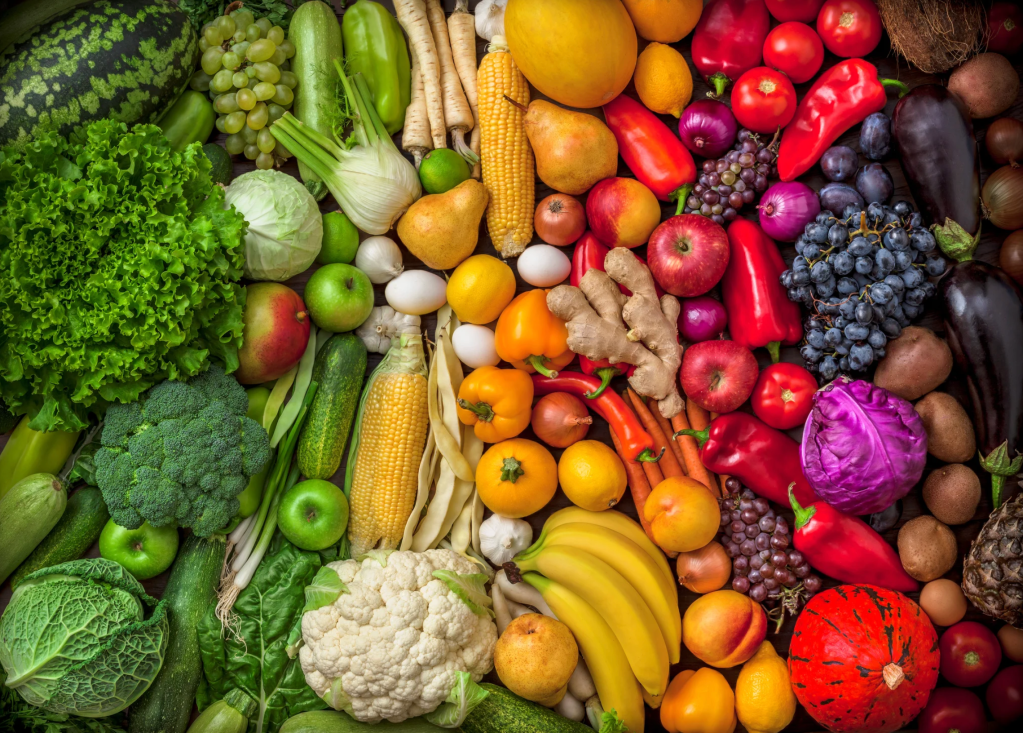
First, please understand that weight loss is never going to be a quick fix. In order to sustain and manage your goal weight the process will be a lifestyle change followed by gradual and steady weight loss. This weight will stay off since you have created a new lifestyle full of great habits. Side note, it is never a bad idea to consume more vegetables and every one of these diets backs this claim.
I have broken down some popular diets that people are attracted to for reaching their weight loss goals. Enjoy the read!!
Mediterranean Diet
The Mediterranean Diet originates from the Mediterranean region. It was brought to the attention of health professionals because certain positive health patterns were happening with the longevity in that region compared to most other places in the world. It is one of the five blue zones in the world, which simply means longevity is thriving there. This diet is more of a lifestyle change than a specific list of rules to follow. This diet has shown evidence to be sustainable, satisfying, and beneficial. Substantial scientific evidence has shown a significant reduction (9% overall) in the risk of mortality from any cause. Including, but not limited to, cardiovascular disease, neoplasm, parkinson’s disease, alzheimer’s disease, and cancer. So yeah, I would say this one is worth looking into if you want to live longer, better!
How to Consume a Mediterranean Style Diet
High consumption vegetables, fruits, olive oil, legumes, cereals (bread)
Moderate consumption of red wine, fish, milk/dairy
Low consumption of meat
Keto/Very Low Carb/Atkins
The Ketogenic diet was originally created to treat epilepsy, and while the Atkins diet shares very similar guidelines, it was specifically created for weight loss. Regarding the weight loss purpose, low carb diets have been proven to be more effective than low fat diets over a 24 week study. There is not much data on long term efficacy or negative symptoms from adhering to this diet. One study found greater weight loss in a 24 month low carb (<50g carb/day) diet compared to a low fat diet (<30% cal from fat/day). Several studies explain that there are considerable discrepancies in their findings and that there are still unknown adverse effects to long term adherence to a very low carbohydrate ketogenic diet. There are many unknowns about the physiological processes involved in the effectiveness of this diet. Ketogenic diets induce physiological ketosis. This brings the need for the process, gluconeogenesis, which requires high energy expenditure. There is a reduction in appetite due to satiety of proteins, altered appetite control hormones & possible appetite suppressant action of ketone bodies. Short periods have been shown to possibly help control hunger and improve fat oxidative metabolism which results in weight loss. This diet could pose as a lifestyle change for a diabetic but as a several month reboot for others.
Intermittent Fasting
This diet prevents overeating throughout the day by eating in smaller periods of time which encourages a calorie deficit. The time gone without eating can range from 16-48 hours. Intermittent fasting is becoming more popularized due to its growing evidence that it may prevent metabolic syndrome, diabetes, and cardiovascular disease. There are new studies supporting further trials to find more benefits of this diet in patients with cancer or multiple sclerosis. There is evidence that intermittent fasting is effective in weight loss and improvements in insulin resistance.
Whole 30
This is a “reset” diet. It was difficult to find scientific based evidence on effects following this diet but it has been found to be beneficial in finding food sensitivities. It requires no calorie tracking which is a huge plus. The main rule is that you must only eat the designated whole foods for 30 days straight without wavering at all. This diet seems like it would bring ownership over your food intake and more control of your nutritional choices by learning to say no.
How to Consume a Whole 30 Diet
Includes: meat, seafood, eggs, vegetables, fruits, natural fats, herbs, spices, seasonings, unprocessed foods
Excludes: added real or artificial sugar, alcohol, tobacco, grains, legumes, dairy, carrageenan, MSG, sulfites, baked goods, “junk food”, use of scale to track bodyweight
Vegan
This diet excludes all animal products. A vegans microbiome of the gut has advantages over other lifestyle choices but appears similar to a vegetarian microbiome. There are reduced levels of inflammation and more protective health effects than other eating habits. It is still unsure for long-term health benefits but it is definitely something to take into consideration when treating the gut microbiome, obesity, inflammation, and disease. Short term results appear promising for health benefits.
Paleo
This diet originated from studying how our ancestors ate during the Paleolithic Era, eating only what you would find when hunting and gathering. There are positives and negatives to this diet and I will present them as unbiasedly as possible. The diet originates off of the controversial evolutionary discordance hypothesis which may partially discredit it. One must be weary of their calcium intake when on this diet to prevent osteoporosis. It is also proven to be more expensive than most other diets which may create a population barrier of who can use this diet. The long term research proves to be shallow but there is short term scientific evidence regarding positive effects of this diet/lifestyle. When tested in comparison to a Mediterranean-like diet, weight loss was equal but the Paleo group found a greater decrease in waist circumference and improved glucose sensitivity. The Paleo diet has been found to have increased satiety, improvements in body weight, waist circumference, blood pressure, and lipid profiles. The early claims are intriguing but hopefully more long term studies arise soon to further develop their credibility.
How to Eat Paleo
This diet includes vegetables, fruits, lean meat, seafood.
This diet excludes grains, dairy, refined sugars, refined oils, and processed foods.
Intuitive Eating
Intuitive eating is based on physiological hunger and satiety cues instead of situational or emotional cues. This lifestyle emphasizes an anti-diet culture. It requires one to recognize and acknowledge the damage of the diet world. It asks you to enlighten yourself on the traits of a diet-mentality and rid yourself of diet tools. All in all, this diet requires you to tune into your body and its actual needs. This mindset will allow you to choose what fuel you need rather than what taste you want, which in turn will generally help your health. This diet has been scientifically proven to boost psychological well-being, self-esteem, life satisfaction, optimism, and proactive coping (body appreciation). This lifestyle encourages people to focus on eating for their bodily needs rather than for appearance purposes. The minimal, but growing, evidence shows that there are positive correlations to improved psychological health, healthy eating behavior and weight maintenance but does not show any correlation to increased physical activity or substantial weight loss.
Guidelines: Eat when you are hungry, eat whatever your body wants, stop when you are satisfied, and eat for physical over emotional reasons.
IIFYM (If It Fits Your Macros)
Eat within your nutritional budget everyday: your individualized calculated protein, carbohydrates, fats, and total calorie numbers. This can put a misleading value on foods based on their macronutrient make up rather than their full nutritional value that weighs on micronutrients and ingredients as well. Calories in and calories out is the basis of this diet which works for losing weight at the beginning. If you are eating a large amount of nutrient poor food and then eat a moderate amount of nutrient poor food, you will see improvements. Eventually you will need to be more conscious of eating nutrient dense foods to acquire further health improvements. If someone is reaching their macronutrient targets with nutrient dense food then this diet will be very effective and sustainable.
& many, many more diets…
I hope this post educated you on some benefits and downfalls of certain lifestyle and diet choices. Diets can become very controlling so it is important to find what is sustainable and fulfilling to your needs! Thank you for reading!
References
Abbasi, J. (2018). Interest in the ketogenic diet grows for weight loss and type 2 diabetes. Jama, 319(3), 215-217.
Avalos, L. C., & Tylka, T. L. (2006). Exploring a model of intuitive eating with college women. Journal of Counseling Psychology, 53(4), 486.
Bueno, N., De Melo, I., De Oliveira, S., & Da Rocha Ataide, T. (2013). Very-low-carbohydrate ketogenic diet v. low-fat diet for long-term weight loss: A meta-analysis of randomised controlled trials. British Journal of Nutrition, 110(7), 1178-1187. doi:10.1017/S0007114513000548
Freeman, J. M., Kossoff, E. H., & Hartman, A. L. (2007). The ketogenic diet: one decade later. Pediatrics, 119(3), 535-543.
Glick-Bauer, M., & Yeh, M. C. (2014). The health advantage of a vegan diet: exploring the gut microbiota connection. Nutrients, 6(11), 4822-4838.
Mattson, M. P., Longo, V. D., & Harvie, M. (2017). Impact of intermittent fasting on health and disease processes. Ageing research reviews, 39, 46-58.
Paoli, A. (2014). Ketogenic diet for obesity: friend or foe?. International journal of environmental research and public health, 11(2), 2092-2107.
Pitt, C. E. (2016). Cutting through the Paleo hype: The evidence for the Palaeolithic diet. Australian Family Physician, 45(1/2), 35.
Sofi, F., Cesari, F., Abbate, R., Gensini, G. F., & Casini, A. (2008). Adherence to Mediterranean diet and health status: meta-analysis. Bmj, 337, a1344.
The Whole30® Program. (2019). Retrieved February 12, 2020, from https://whole30.com/whole30-program-rules/
Tribole, E., & Resch, E. (2012). Intuitive eating. Macmillan.
Trichopoulou, A., & Vasilopoulou, E. (2000). Mediterranean diet and longevity. British Journal of Nutrition, 84(S2), S205-S209.
Van Dyke, N., & Drinkwater, E. J. (2014). Review article relationships between intuitive eating and health indicators: literature review. Public health nutrition, 17(8), 1757-1766.
Wrong, W. I. W. IIFYM: The Good, Bad, and the Ugly.
 Simplifying Health